





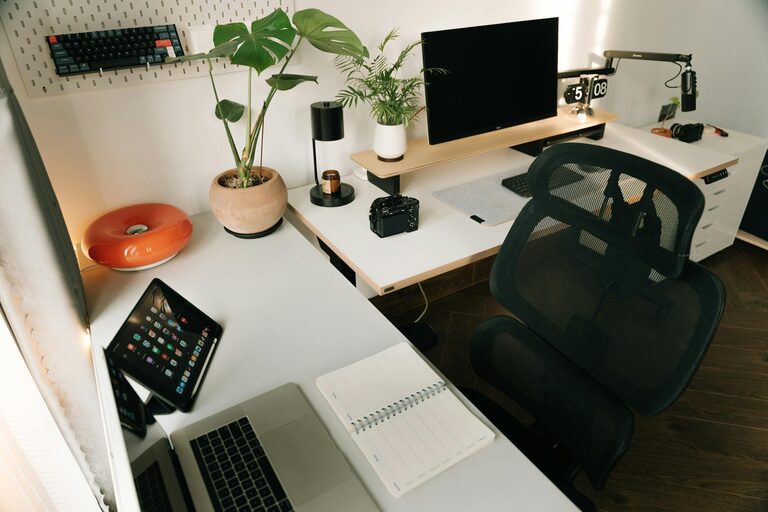
Working from home has become a common reality for many, making it essential to have a well-organized workspace that encourages productivity and comfort. A cluttered or poorly arranged area can distract you and reduce your efficiency, but with some thoughtful planning and organization, you can create an environment that supports your best work. Here are practical tips to help you design and maintain a productive home workspace.
Choose the Right Location
The first step to organizing a productive workspace is selecting the best spot in your home. Consider these factors:
– Natural Light: A space near a window with plenty of natural light can boost mood and reduce eye strain.
– Minimize Distractions: Choose a quiet area away from heavy traffic or noisy appliances.
– Space Availability: Make sure there’s enough room for your desk, chair, and storage needs without feeling cramped.
Invest in Ergonomic Furniture
Comfort plays a crucial role in productivity. Poor posture or uncomfortable furniture can lead to fatigue and physical discomfort. Here’s what to keep in mind:
– Ergonomic Chair: Supports your back and encourages good posture.
– Adjustable Desk: Allows you to switch between sitting and standing.
– Proper Desk Height: Ensures your arms rest comfortably while typing or writing.
Organize Desk Essentials
Your desk should have all necessary tools within easy reach to minimize unnecessary movement. Organize as follows:
– Declutter Regularly: Remove items you don’t need daily.
– Use Desk Organizers: Trays, pen holders, and drawer dividers help keep things tidy.
– Limit Technology: Only keep devices that you use regularly on your desk.
Maximize Storage Solutions
Keeping your workspace tidy depends heavily on managing your storage effectively.
– Shelves and Cabinets: Use vertical space to store documents and supplies.
– Label Storage Boxes and Folders: This makes finding items quicker.
– File Digitally When Possible: Reduce paper clutter by scanning documents.
Personalize Without Overcrowding
Adding personal touches can make your workspace more inviting but avoid overdoing it, as too many decorations can be distracting.
– Add Plants: Small indoor plants can improve air quality and reduce stress.
– Use Inspiring Quotes or Art: Keep these minimal and meaningful.
– Choose Calming Colors: Incorporate soothing colors through décor or accessories.
Manage Cables and Technology
Tangled wires and messy cables can create visual clutter and inconvenience.
– Use Cable Organizers: Clips, sleeves, or boxes manage and hide cables.
– Keep Chargers and Devices in One Spot: A designated charging station keeps them orderly.
– Maintain Technology: Regularly clean your keyboard and screen for comfort and hygiene.
Establish a Cleaning Routine
A clean workspace fosters productivity by making it easier to focus.
– Daily Quick Tidy-Up: Straighten papers and put away items at day’s end.
– Weekly Deep Clean: Dust surfaces, vacuum floors, and clean your devices.
– Avoid Eating at Your Desk: This reduces crumbs and mess that attract dust or bugs.
Set Boundaries and Routines
Your environment affects your work habits, so setting physical and mental boundaries can improve efficiency.
– Define Your Work Hours: This helps balance work and personal life.
– Use Visual Cues: A “working” sign or a closed door signals to family or roommates your availability.
– Take Scheduled Breaks: Step away from your workspace regularly to refresh.
Optimize Lighting
Besides natural light, good artificial lighting is important to prevent eye strain during early mornings or late evenings.
– Desk Lamp: Use a lamp with adjustable brightness and direction.
– Avoid Glare: Position screens and lights to reduce reflections.
– Choose the Right Bulb: Soft white or daylight bulbs usually work best for workspaces.
Conclusion
Organizing a productive home workspace is more than just tidying up. It’s about creating a comfortable, functional environment that supports your work style and helps you stay focused. By selecting the right location, investing in ergonomic furniture, managing clutter, and establishing routines, you set yourself up for success. Remember, small changes can make a big difference in how you feel and perform throughout the workday. Start with these tips and adapt your workspace as you discover what works best for you.



More Stories